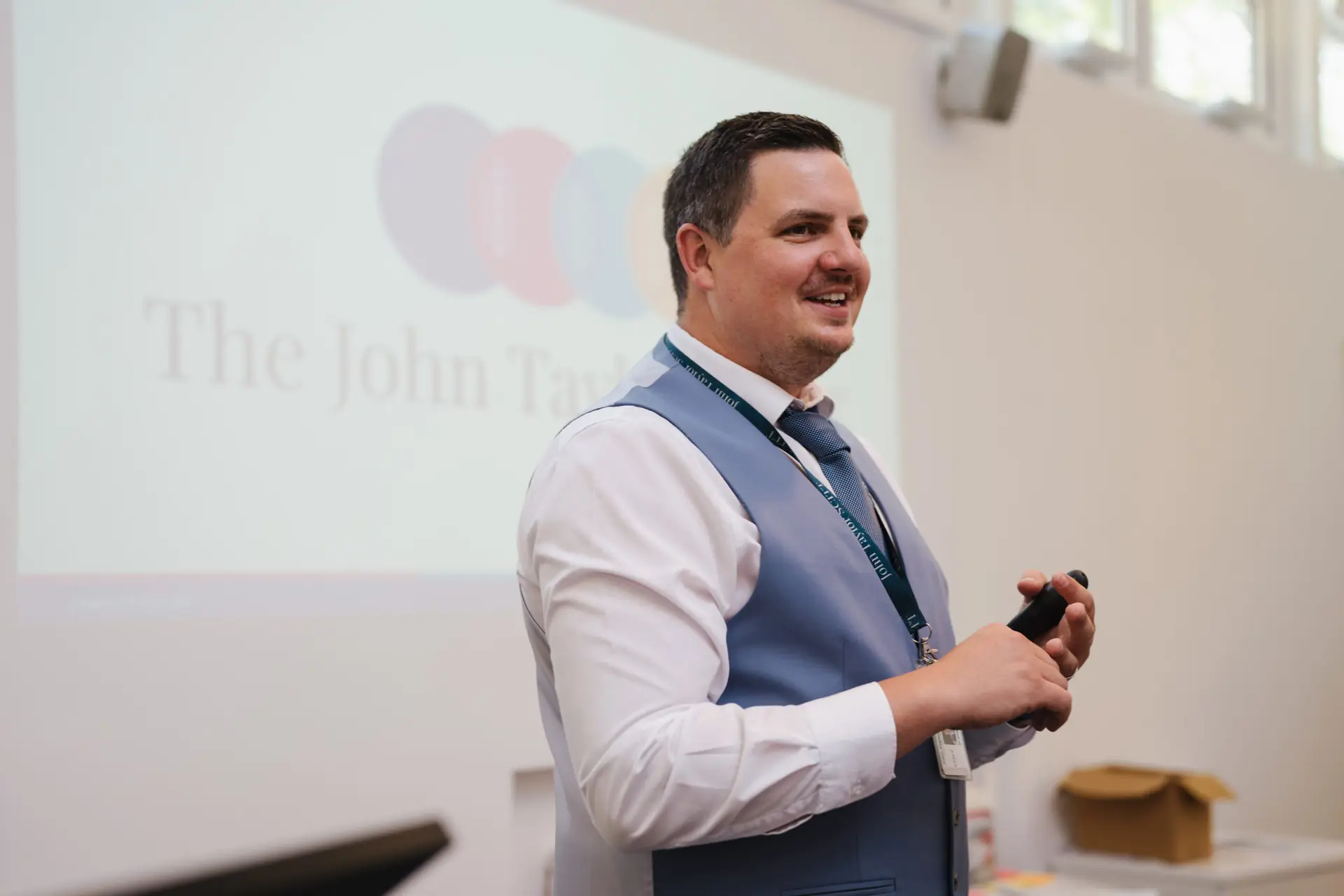
The Power of Lesson Observations: Feedback is Professional and Not Personal


At John Taylor SCITT, we believe that feedback is one of the most powerful tools for professional growth but only when it’s understood in the right way. That’s why our approach to lesson observations is built on a simple but vital principle: feedback is professional, not personal.

Every trainee enters the classroom with enthusiasm, creativity, and a desire to make a difference. Our role is to channel that energy through structured reflection, evidence-based feedback, and consistent professional dialogue. Lesson observations sit at the heart of this process by providing clear, developmental guidance that helps trainees refine their practice and build confidence over time.

Within our Secondary Programme, trainees benefit from two distinct but complementary forms of observation: ACE Appraisals and Formal Lesson Observations.

ACE Appraisals

ACE Appraisals are lower-stakes, frequent opportunities for any experienced colleague to observe and offer constructive insights. They’re short, focused, and designed to keep development moving forward through regular feedback and encouragement. Before each ACE Appraisal, trainees identify two fortnightly targets meaning every observation starts with clarity and purpose.

Formal Lesson Observations

Formal Lesson Observations, meanwhile, are higher-stakes and take place weekly with the trainee’s mentor. These observations provide a deeper, structured review of teaching practice, focusing on three strengths and three areas for development aligned to the John Taylor SCITT Assessment Framework.

“Feedback is not a judgement of you as a person; it’s a conversation about your professional practice and designed to help you get better, not feel smaller.”

This mindset underpins everything we do. We encourage our trainees to see each observation as a professional dialogue. A chance to analyse, reflect, and apply new learning. Whether it’s an ACE Appraisal or a formal observation, the focus is never on perfection, but on progress.

At John Taylor SCITT, feedback is a partnership. It’s honest, supportive, and rooted in our belief that great teachers are not born they’re shaped, refined, and inspired through continual learning and reflection.

If you’re ready to train in an environment where feedback empowers rather than intimidates, we’d love to welcome you to the John Taylor SCITT.

Mike Simmons
Mike Simmons
Director

Looking for more information?

In Conclusion

At the John Taylor SCITT, lesson observations are more than checkpoints – they’re opportunities for meaningful growth. By treating feedback as a professional tool rather than a personal judgement, we create a culture where trainees feel supported, motivated, and confident to keep developing their practice. Whether through ACE Appraisals or formal mentor-led observations, each piece of feedback is part of a constructive partnership built on trust and shared purpose.

If you’re looking for a training environment where feedback empowers you to become the teacher you aspire to be, we’d be delighted to welcome you. 

Other Latest News...

JTSCITT teacher trainees during a session at the hub
School Blog

My Journey into Teaching: Ten Years in the Making

After ten years of balancing work, family life, university and a global pandemic,Gemma reflects on her journey into teaching. From volunteering in a primary school to completing her teacher training, this blog shows that there is no single route into the profession – and that with determination and the right support, it’s never too late to achieve your goal.

Read this Article →
A trainee teacher sat with students at a desk.
School Blog

Living Close to School or Commuting? Finding the Right Balance as a Teacher

Is it better for teachers to live close to school or have a daily commute? While living nearby offers convenience and flexibility, a short commute can provide valuable time to decompress and maintain healthy work-life boundaries. This article explores the advantages and challenges of both approaches, helping trainee and early career teachers find the balance that best supports their wellbeing and professional success.

Read this Article →
JTSCITT trainee teachers during a session
School Blog

“I Didn’t Always Want to Teach” – My Journey into the Classroom

Teaching wasn’t always part of Stuart’s plan. Before joining JTSCITT, he worked as a Distribution Supervisor and never imagined himself in an academic profession. In this honest first-person blog, Stuart shares how a desire for more meaningful relationships and greater purpose led him into the classroom – and why the skills he thought would hold him back actually became his biggest strengths as a teacher.

Read this Article →