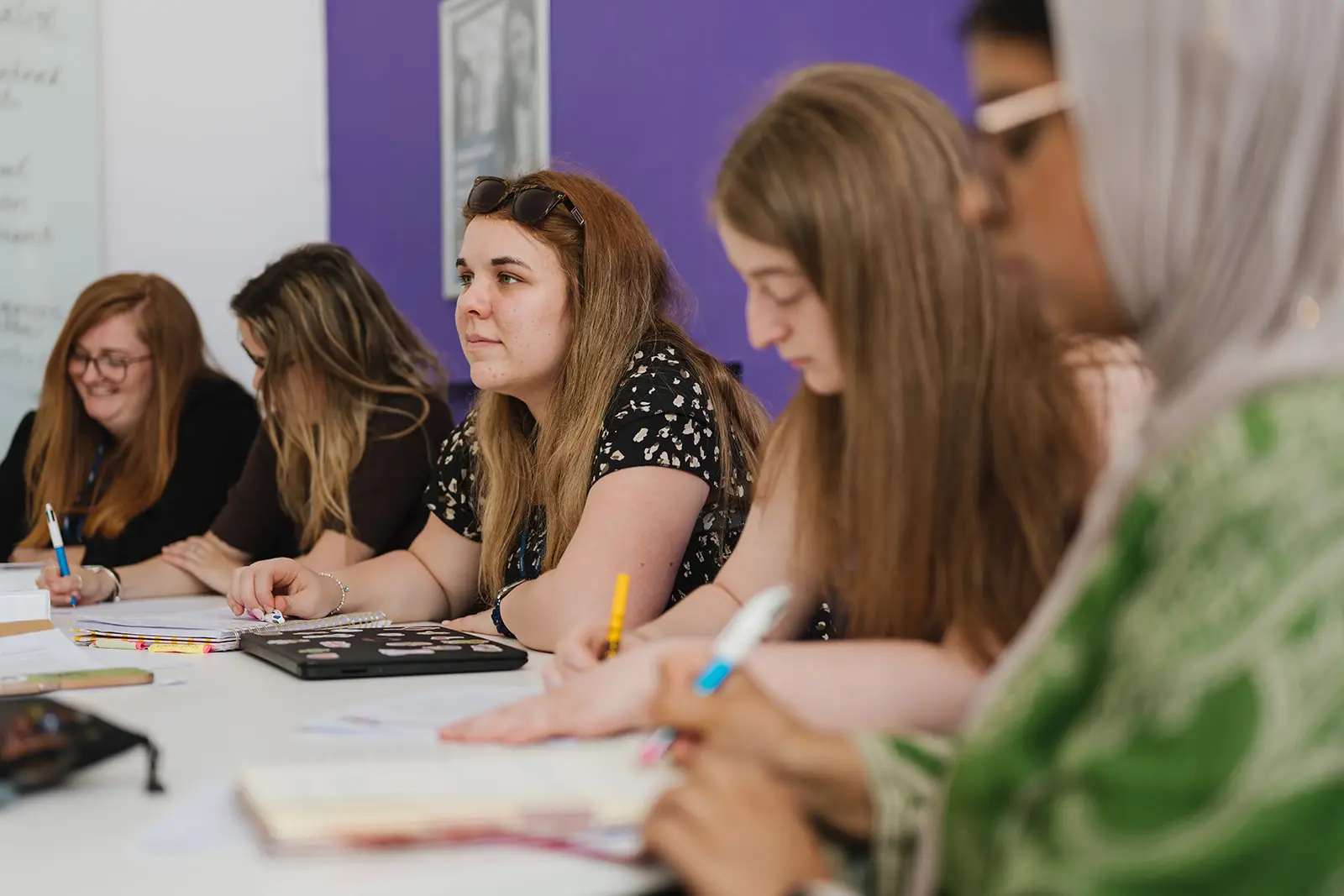
How to Apply for Teacher Training: A Clear Step-by-Step Guide
Thinking about becoming a teacher? Our simple guide breaks down the teacher training application process, so you know what to expect at every stage.

Applying for teacher training can feel daunting. Many applicants worry about saying exactly the right thing, knowing every answer or proving they’re already ready for the classroom.
But after interviewing more than a thousand prospective teachers over the past decade, JTSCITT Director Mike Simmons has found that the qualities which predict success are often very different. Here, he shares what really stands out in an interview—and why potential will always matter more than polish.
Every year, around interview season, I always ask the same question:
“Why have you applied to be a teacher?”
It’s usually followed by a list of things candidates think they should say. They worry they’ll be asked to recite educational theory, deliver the perfect lesson explanation or know every detail of the National Curriculum.
After more than ten years of interviewing prospective teachers, and well over a thousand interviews, I can honestly say that isn’t what stays with me.
The candidates I remember aren’t necessarily the ones with the most polished answers. They’re the ones who leave the room making me think, “That person is going to keep getting better.”
Teacher training exists because nobody walks through the door as a finished teacher. If they did, there would be little point in a training programme. What we’re looking for is the potential to become an excellent teacher.
That potential shows itself in all sorts of ways.
Sometimes it’s in the graduate who lights up when talking about how a teacher changed the direction of their own life. Sometimes it’s the career changer who can clearly explain why working with young people has become more important than climbing another rung of the corporate ladder. Sometimes it’s simply someone who listens carefully, pauses to think and isn’t afraid to admit, “I’m not completely sure.”
Those moments matter.
One thing that often surprises applicants is that occasionally getting something wrong isn’t necessarily a problem.
I’ve interviewed outstanding candidates who have momentarily forgotten a subject concept they knew perfectly well, mixed up a definition or needed a prompt to work something through. Interviews are nerve-racking, and none of us perform perfectly under pressure.
What matters far more is what happens next.
Do they become defensive? Or do they become curious?
The candidates who impress me most are the ones who say something along the lines of, “I hadn’t thought about it like that,” or, “I’d really like to read more about that.”
I’d choose someone with a genuine appetite to deepen their subject knowledge over someone who believes they already know enough.
That mindset doesn’t just help during training, it becomes the habit of an outstanding teacher. Education changes, research develops and curricula evolve. The best teachers I know are still learning twenty years into their careers.
The same is true of feedback.
No teacher enjoys hearing that something could have gone better, but the strongest trainees quickly realise that feedback isn’t a judgement, it’s a gift and an opportunity to develop. They don’t spend their energy defending every decision. Instead, they ask questions, reflect honestly and return determined to improve.
That’s incredibly powerful.
Of course, all of this sits alongside the qualities most people would expect. We want trainees who genuinely care about young people, who communicate well, who are organised and professional, and who understand that teaching is fundamentally about helping others to succeed.
But if I had to reduce it all to one characteristic, it would probably be humility. Not a lack of confidence, but the confidence to acknowledge that there is always more to learn.
After more than a thousand interviews, I’ve become convinced that the people who make the very best teachers aren’t those who arrive trying to prove they’re already brilliant. They’re the people who arrive ready to become brilliant and that’s a very different thing. In my experience, it’s the quality that predicts success more than any perfectly rehearsed interview answer ever could.
If you’re thinking about applying for teacher training, don’t worry about delivering a perfect interview or having every answer prepared. Instead, focus on demonstrating your enthusiasm, your willingness to learn and your commitment to developing as a teacher.
The best trainees aren’t expected to know everything from day one. They simply need the mindset to keep learning, growing and putting young people at the heart of everything they do.

Thinking about becoming a teacher? Our simple guide breaks down the teacher training application process, so you know what to expect at every stage.


At John Taylor SCITT, trainees learn from more than one voice. Discover how input from teachers, researchers, specialists and school leaders helps future teachers engage with evidence, develop professional judgement and build a habit of lifelong learning.
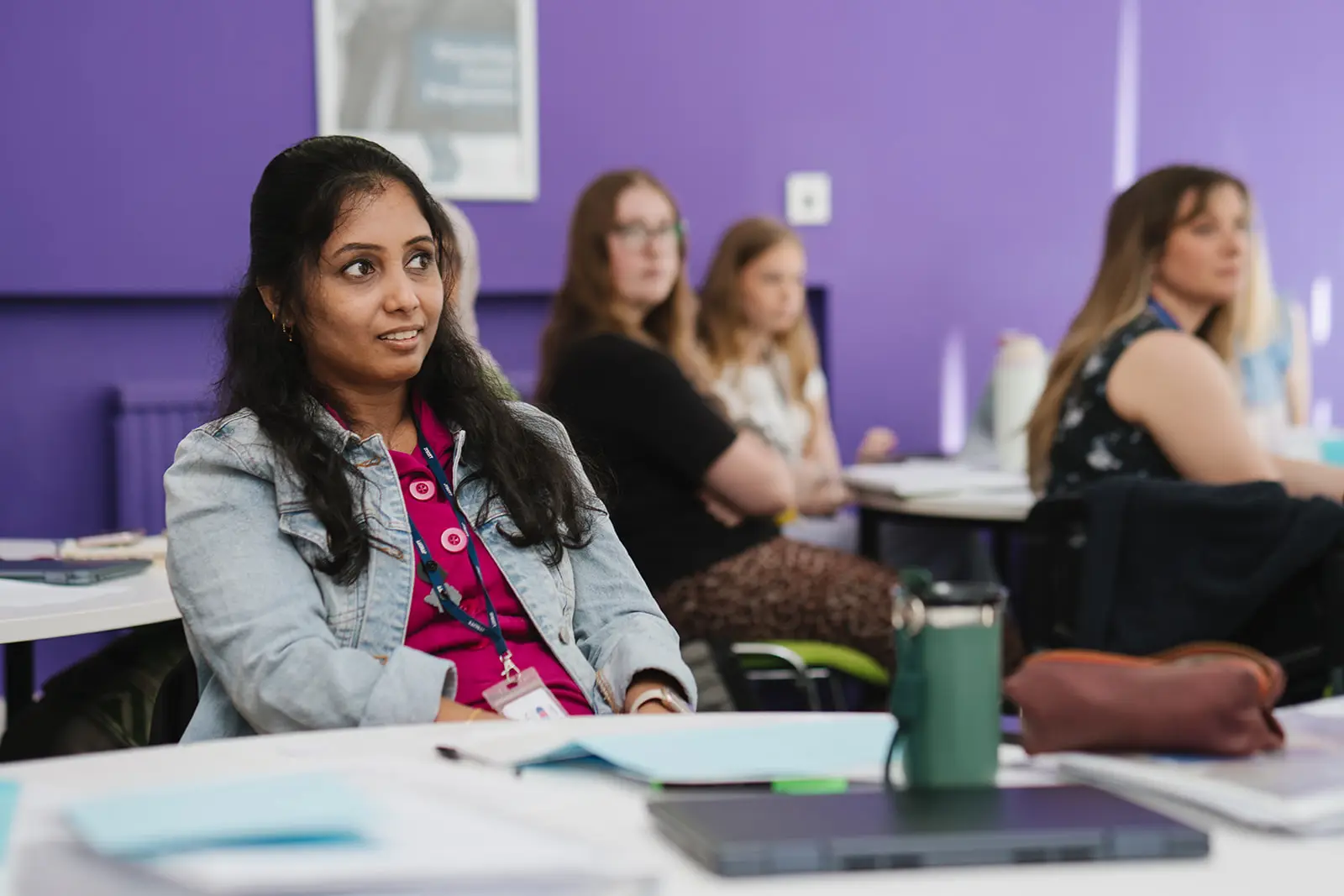
Choosing the right ITT provider is an important step in your teaching journey. In this blog, we explore what to look for in a training provider and explain how John Taylor SCITT’s school-centred approach, expert-led curriculum and personalised support help trainees build successful, rewarding teaching careers.
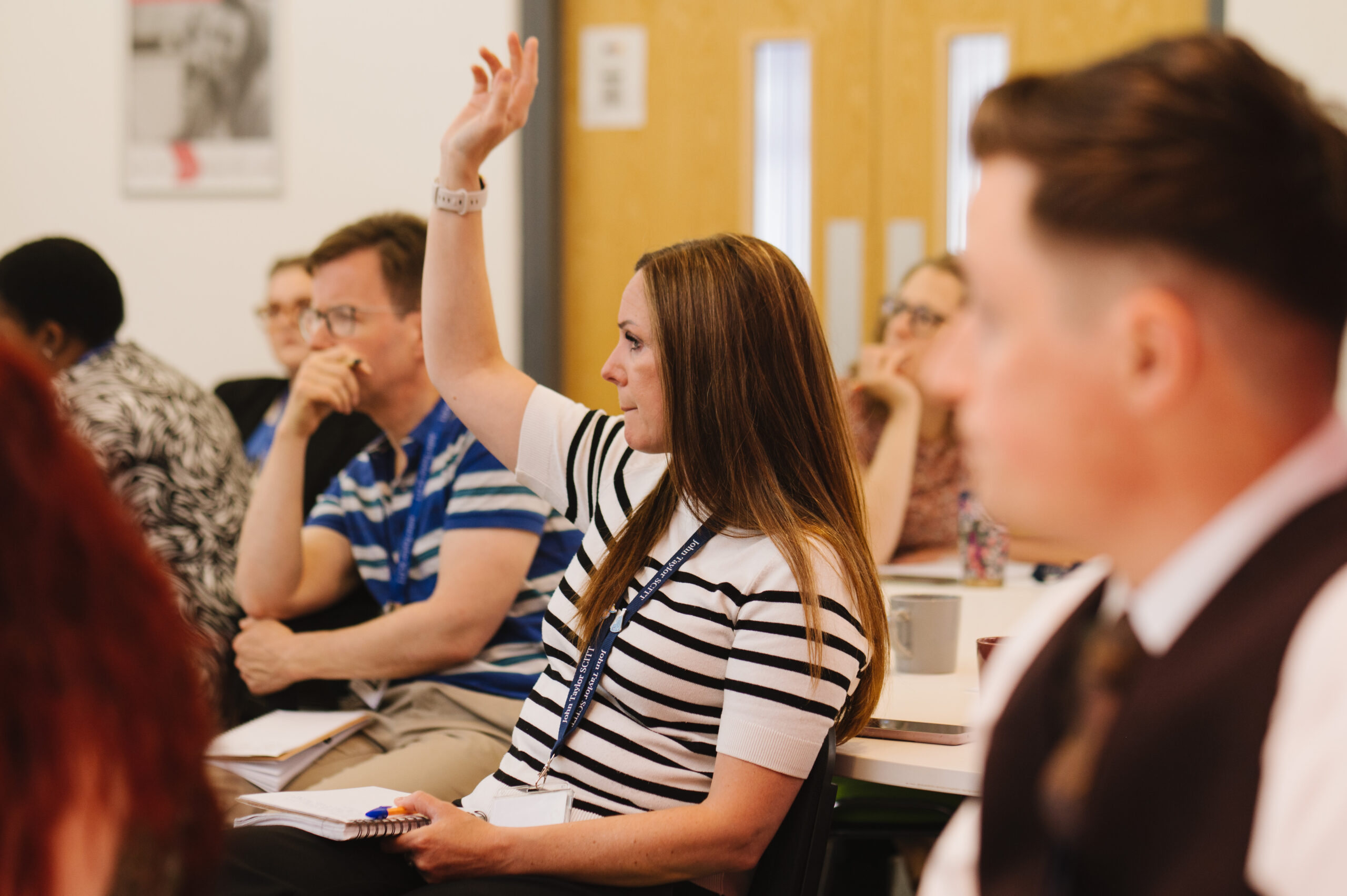
After ten years of balancing work, family life, university and a global pandemic,Gemma reflects on her journey into teaching. From volunteering in a primary school to completing her teacher training, this blog shows that there is no single route into the profession – and that with determination and the right support, it’s never too late to achieve your goal.
| Cookie | Duration | Description |
|---|---|---|
| cookielawinfo-checkbox-analytics | 11 months | This cookie is set by GDPR Cookie Consent plugin. The cookie is used to store the user consent for the cookies in the category "Analytics". |
| cookielawinfo-checkbox-functional | 11 months | The cookie is set by GDPR cookie consent to record the user consent for the cookies in the category "Functional". |
| cookielawinfo-checkbox-necessary | 11 months | This cookie is set by GDPR Cookie Consent plugin. The cookies is used to store the user consent for the cookies in the category "Necessary". |
| cookielawinfo-checkbox-others | 11 months | This cookie is set by GDPR Cookie Consent plugin. The cookie is used to store the user consent for the cookies in the category "Other. |
| cookielawinfo-checkbox-performance | 11 months | This cookie is set by GDPR Cookie Consent plugin. The cookie is used to store the user consent for the cookies in the category "Performance". |
| viewed_cookie_policy | 11 months | The cookie is set by the GDPR Cookie Consent plugin and is used to store whether or not user has consented to the use of cookies. It does not store any personal data. |