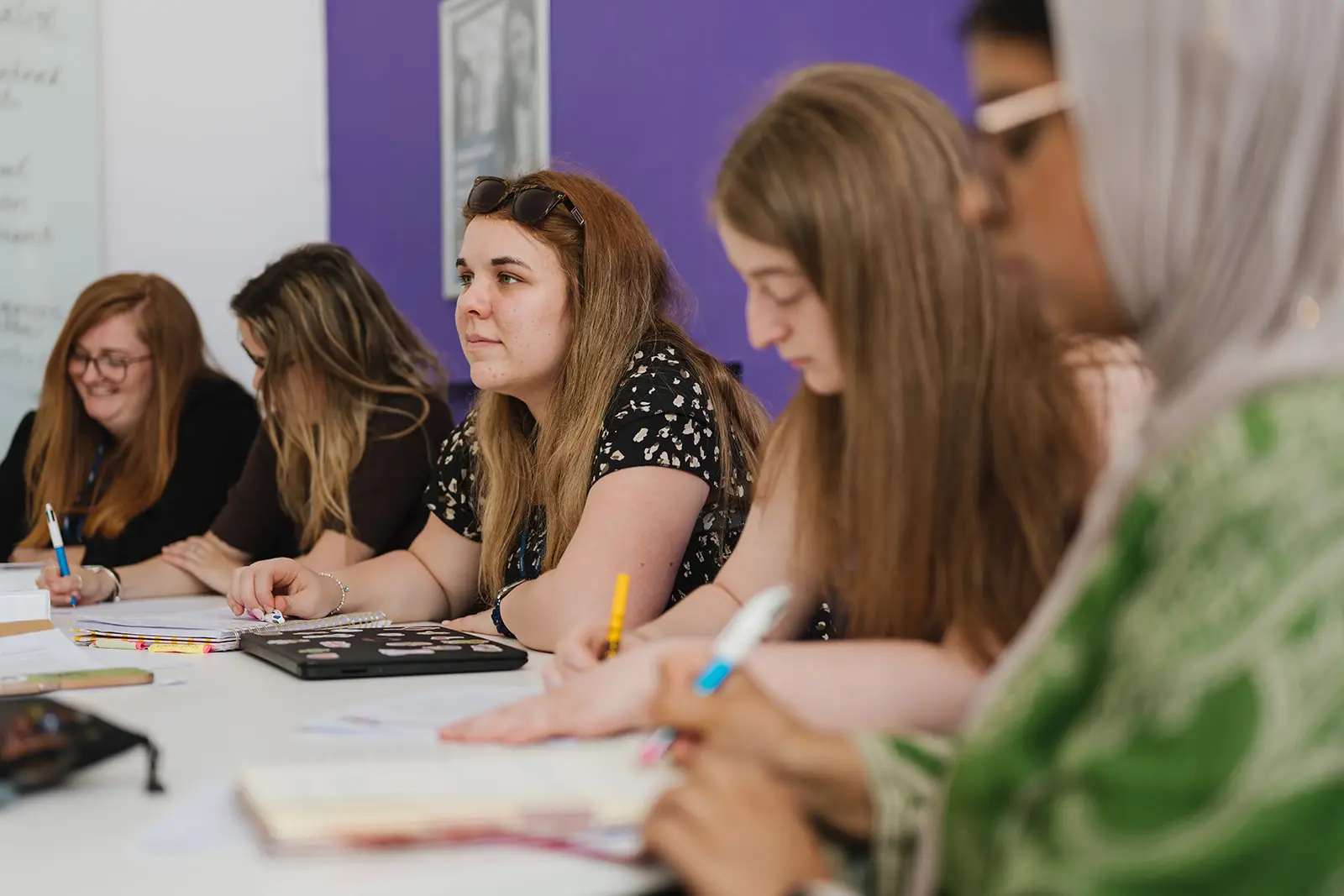
How to Apply for Teacher Training: A Clear Step-by-Step Guide
Thinking about becoming a teacher? Our simple guide breaks down the teacher training application process, so you know what to expect at every stage.

One of our current trainees, Susannah, shared her experience and thoughts after her first term with us.
I don’t know if this should be attributed to Mike, but he is infamous within the walls of the SCITT for saying it once or twice! I joke about it, but this is, hands down, one of the most important pieces of advice that I have been given since starting my initial teacher training with the John Taylor SCITT.
I came to teacher training from a background of working in a scientific forum for a number of years before stepping back from that to allow me time to enjoy my family growing up. Getting back in to work, I found myself working in a high school as a member of support staff. After a few years of that, I gave into encouragement from other staff members to swap my lab coat for a lesson plan and applied to the SCITT as a science teacher.
The interview was half a day and consisted of a formal interview, a maths test, an English test and a fifteen-minute lesson that I ‘taught’ to a small group of year seven students. I don’t remember many details of the day, but I do remember feeling that the process was robust but friendly. I was lucky enough to be offered a place to start in September.
Finding that fun when you are starting out on a new career path and you are being asked to learn new skills can be trying sometimes. The first two weeks of the course were spent at the training hub with lectures about the fundamentals of being a teacher such as safeguarding, government guidelines and legislation and professionalism. We also learned about inclusion, SEND, numeracy, developing a teacher presence, curriculum and clarity and expositions. The elements of fun I found during the initial weeks were definitely the lecturers that we had, they were inspiring and full of enthusiasm and experience. It made learning a really enjoyable experience.
We had lots of time to mingle with our fellow trainees and to get to know everyone’s backgrounds and reasons for getting in to teaching. We all started to foster a strong collegiate bond and I am really pleased to say that this has gone on to grow from strength to strength with everyone celebrating each other’s successes.
The second two weeks was called an ITAP – Intensive Teaching And Practice – which was focussed on cognitive science. These were quite intense weeks compared to the initial weeks. I was keen to get into school and to start putting what I had learned into practice, and we had the opportunity during these weeks. Mainly we were observing lessons for a couple of days in our placement schools, but we did have the opportunity to ‘teach’ a short twenty-minute form group for one morning. In addition, we were learning the science behind how humans learn, for example we learned about spaced learning and interleaving, scaffolding, modelling and chunking and cognitive load to name a few topics.
So, you’ve done all of the learning about how to plan, how to model and scaffold your lesson content, witnessed teachers delivering lessons to classes of students and experienced what it feels like to be a student again and sit through lectures for four weeks. You think you know enough to be able to do it – it being teach a class of thirty students – too right?
Wrong.
You suddenly realise that being in front of a class actually teaching is only about 75% of what a teacher does. The other 25% is so varied it really doesn’t bear thinking about. The teachers I’ve seen are equally photocopier engineers, lesson planners, creative wizards, negotiators, event planners, shoulders to cry on, glue stick theft preventers, administrators and mentors to name a few extra strings they have to their bows. Plus, the actual teaching part has so many moving parts to it. There is the managing the behaviour of the students, the effective classroom practice and the subject knowledge and the pedagogy that have to be somehow distilled into one fabulous, energy infused, chunked, modelled and scaffolded instrument of learning.
I was in awe of the teachers I saw and also quite, quite terrified of trying to do what they do with a class.
The JTSCITT team of mentors at each school and the central mentoring team have been tremendous in communicating what is needed of me as a trainee. They have made sure that I am prepared for what will, undoubtedly, be a few months of adventure with a resilient mindset and a positive outlook.
I am at the very beginning of learning the skills to be that alchemist who can turn their lessons into journeys of discovery and help to inspire and feed the curious minds of the students in my classes. The timetable I have been given has been created to build up my teaching hours very slowly so as to get the balance between preparation and delivery just right. I have now started teaching a mixture of classes every week and I feel like I am starting to get into the flow of things.
I am quietly confident that the process that Mike and the team at the John Taylor SCITT have crafted will give me solid foundations on which I can start building my new career as a teacher.

Thinking about becoming a teacher? Our simple guide breaks down the teacher training application process, so you know what to expect at every stage.

At John Taylor SCITT, trainees learn from more than one voice. Discover how input from teachers, researchers, specialists and school leaders helps future teachers engage with evidence, develop professional judgement and build a habit of lifelong learning.
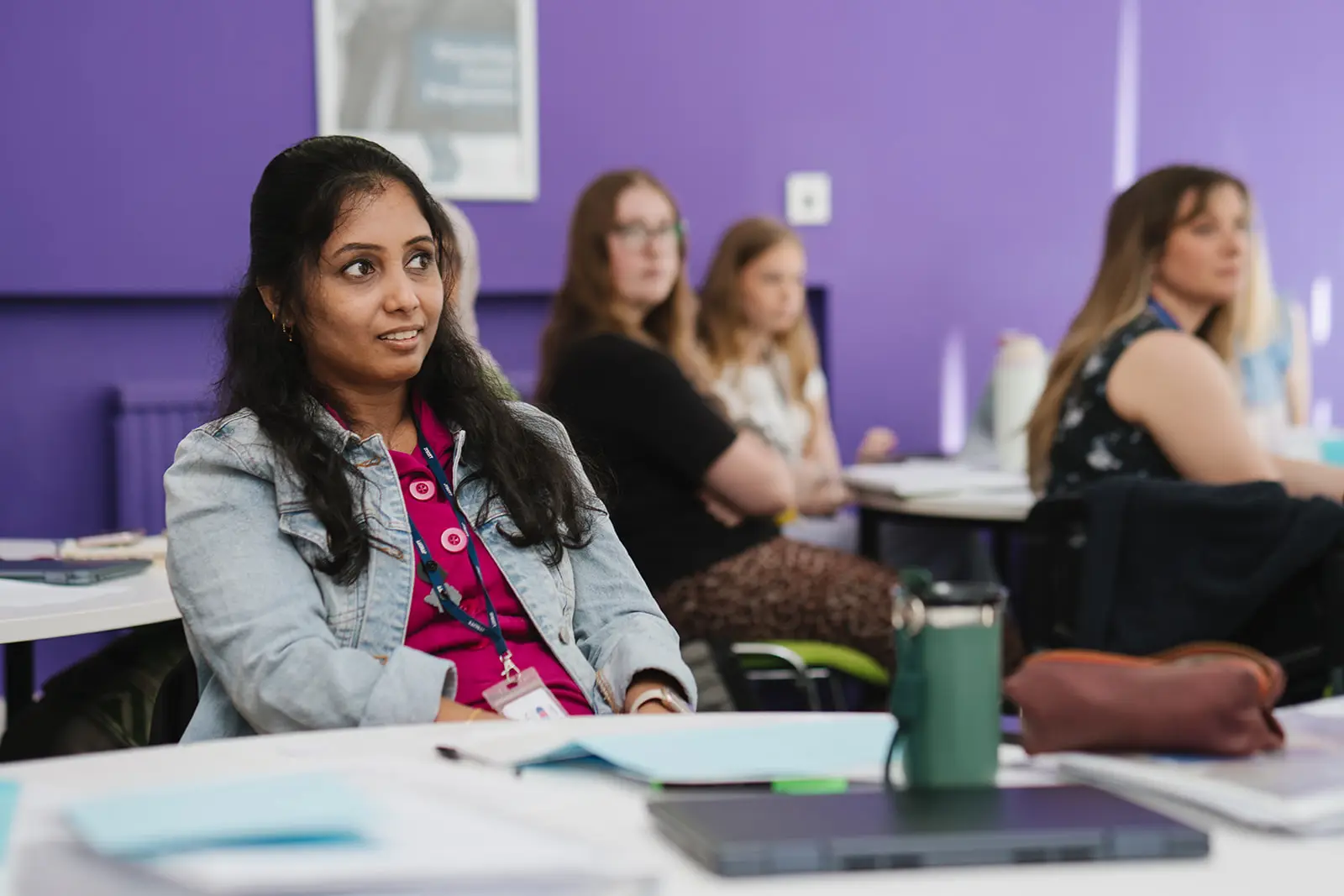
Choosing the right ITT provider is an important step in your teaching journey. In this blog, we explore what to look for in a training provider and explain how John Taylor SCITT’s school-centred approach, expert-led curriculum and personalised support help trainees build successful, rewarding teaching careers.
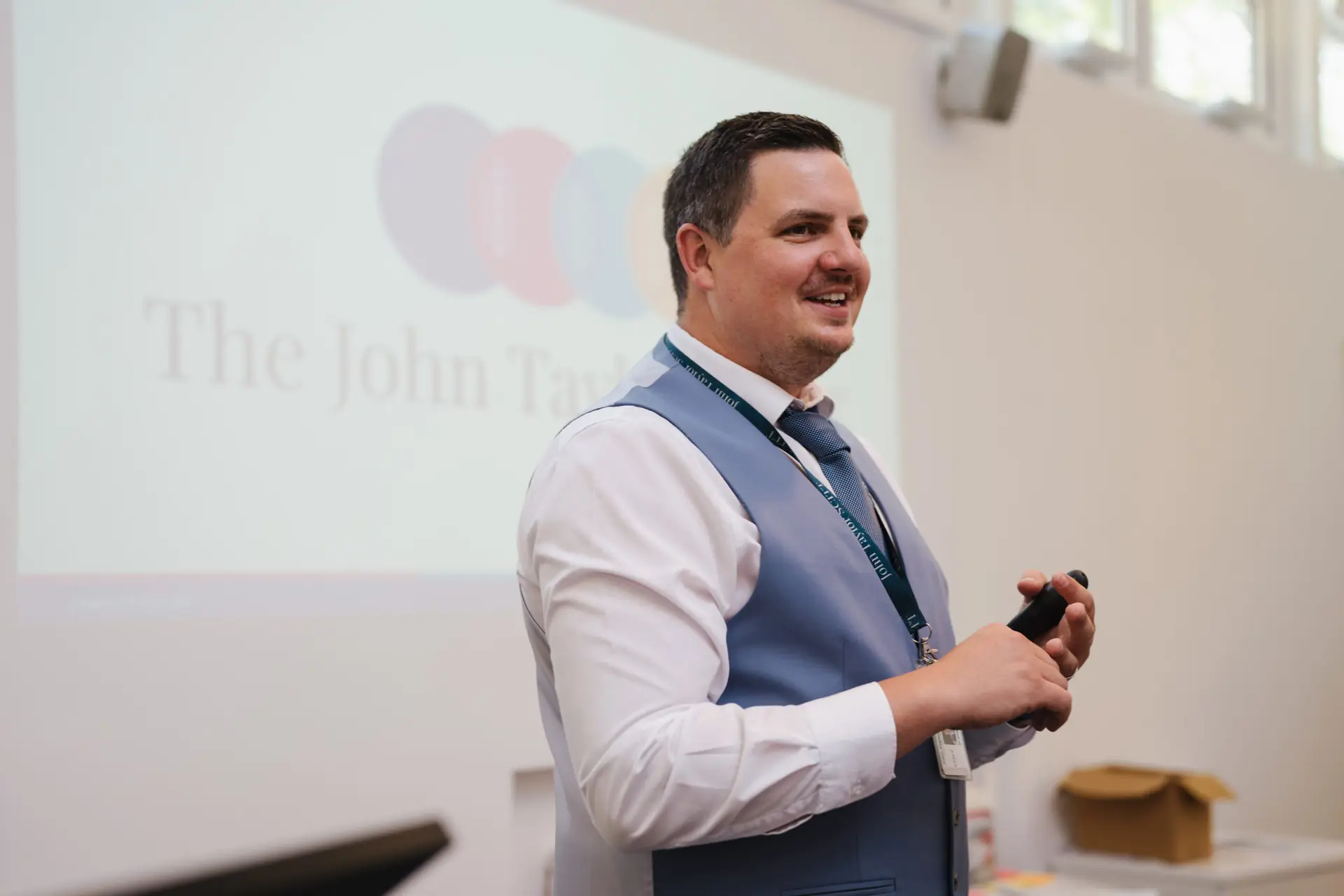
What makes someone stand out at a teacher training interview? According to JTSCITT Director Mike Simmons, it’s not having all the right answers. Drawing on more than a decade of interviewing future teachers, Mike shares why curiosity, humility and a willingness to learn matter far more than perfection.
| Cookie | Duration | Description |
|---|---|---|
| cookielawinfo-checkbox-analytics | 11 months | This cookie is set by GDPR Cookie Consent plugin. The cookie is used to store the user consent for the cookies in the category "Analytics". |
| cookielawinfo-checkbox-functional | 11 months | The cookie is set by GDPR cookie consent to record the user consent for the cookies in the category "Functional". |
| cookielawinfo-checkbox-necessary | 11 months | This cookie is set by GDPR Cookie Consent plugin. The cookies is used to store the user consent for the cookies in the category "Necessary". |
| cookielawinfo-checkbox-others | 11 months | This cookie is set by GDPR Cookie Consent plugin. The cookie is used to store the user consent for the cookies in the category "Other. |
| cookielawinfo-checkbox-performance | 11 months | This cookie is set by GDPR Cookie Consent plugin. The cookie is used to store the user consent for the cookies in the category "Performance". |
| viewed_cookie_policy | 11 months | The cookie is set by the GDPR Cookie Consent plugin and is used to store whether or not user has consented to the use of cookies. It does not store any personal data. |