Everyone Welcome. Every Journey Valued.

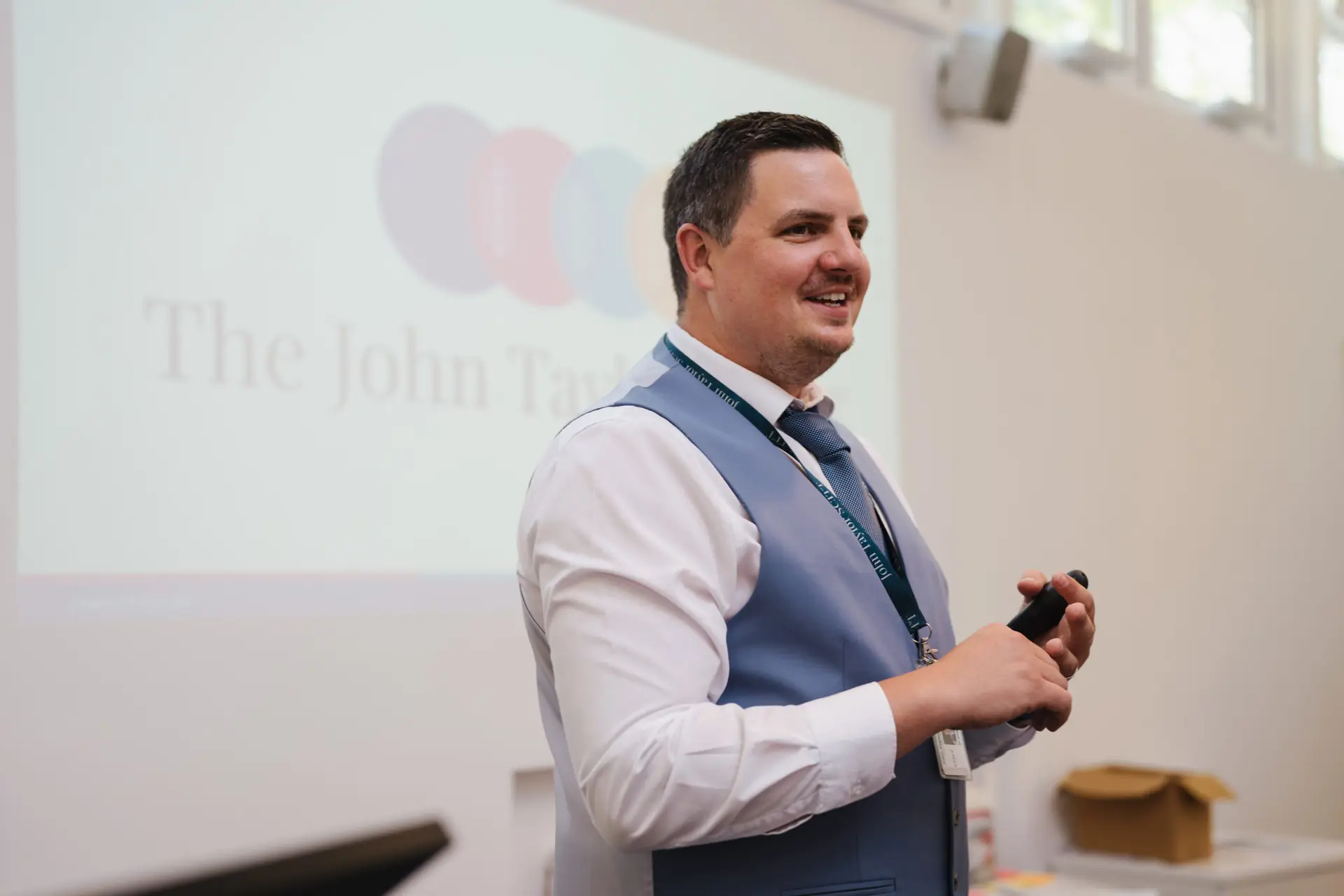
Picture of Mike Simmons, SCITT Director

Mike Simmons, SCITT Director

Lorem ipsum dolor sit amet consectetur adipiscing elit dolor

We believe that great teachers don’t come from one background, one pathway, or one single set of experiences. They come from many. And that diversity is not something to manage it’s something to value, nurture, and actively build into everything we do.

That is the thinking behind our Inclusive Pathway.

Why an Inclusive Pathway matters

Becoming a teacher is a significant professional journey, and for many people there are barriers some of which are visible and some less so. These might relate to prior educational experiences, personal circumstances, additional needs, or simply not seeing people “like you” in the profession.

Our Inclusive Pathway is designed to recognise that reality and respond to it deliberately. It is not an add-on to our programme; it is embedded in how we recruit, train, support, and develop our trainees.

We want every trainee to feel that they belong in teaching from the very beginning of their journey with us.

What We Mean By Inclusion

At the heart of our work are three principles that guide everything we do:

Diversity means recognising and valuing the wide range of backgrounds, experiences, skills, and perspectives our trainees bring. These differences are not just acknowledged; they actively strengthen our training community and the future workforce of schools.

Equality means understanding that not all trainees begin from the same starting point. We are committed to identifying and removing barriers, making appropriate adjustments, and ensuring every trainee has fair access to success.

Inclusion means creating a culture where every trainee feels respected, supported, and able to contribute fully. It is about belonging, ensuring that individuals are not just present, but genuinely part of the professional community.

What the Inclusive Pathway looks like in practice

The Inclusive Pathway is not theoretical. It is practical, responsive, and built around action.

Barrier-free access

We actively encourage trainees to share additional needs in confidence. When they do, we respond quickly with tailored support and reasonable adjustments. These are not static, they are reviewed and refined throughout the programme.

Tailored support for success

Every trainee on the pathway has access to a personalised support plan. This is designed collaboratively, monitored carefully, and adjusted as trainees develop. The aim is simple: to ensure every trainee is equipped to achieve Qualified Teacher Status (QTS) and enter their ECT years with confidence.

An inclusive culture of belonging

We work closely with mentors and placement schools to ensure that inclusive practice is not limited to theory. Trainees should feel safe, respected, and able to be themselves in every setting. Regular feedback helps us refine this culture continuously.

Increased representation

We are committed to improving representation across our cohorts. That means using data to understand who is applying, who is successful, and where barriers may exist. It also means proactive outreach and celebrating role models who reflect the communities we serve.

Strong partnerships

Our partner schools play a vital role. We ensure they are prepared to support inclusive training experiences and are confident in adapting their practice where needed. Our alumni network also plays an important part in showing what is possible.

Visibility and communication

Inclusion must be visible. From our recruitment materials to our trainee stories, we want people to see themselves reflected in teaching. Representation matters, not only for those joining the profession today, but for those considering it tomorrow.

JTSCITT Primary Teacher Trainees during one of their training sessions at the hub.

How We Know It Is Working

We measure success in a number of ways, but some of the most important indicators are:

  • Trainees from all backgrounds achieving QTS and progressing confidently into induction
  • A culture where trainees feel they belong, are heard, and are supported
  • A growing and diverse network of teachers who act as role models for future entrants into the profession


We also learn continuously from trainee feedback, ensuring that lived experience directly informs how we develop the programme.

Inclusion Is Not a Statement; It Is A Commitment!

It would be easy to describe inclusion as a value. But at The John Taylor SCITT, we see it as something more active than that.

It is a series of daily decisions:

  • How we recruit
  • How we support
  • How we train mentors
  • How we respond to feedback
  • How we design placements
  • How we talk about teaching


Inclusion only works when it is consistently embedded and properly evidenced.

Looking for more information?

In Conclusion

The Inclusive Pathway reflects a simple belief: teaching should be open to everyone with the passion and potential to make a difference.

Every background. Every voice. Every journey matters.

And when we get inclusion right, we don’t just train better teachers, we help shape a profession that better reflects the communities it serves.

Other Latest News...

School Blog

How We Assess Trainee Teachers at The John Taylor SCITT

This blog explains how The John Taylor SCITT assesses trainee teachers through a structured, year-long process that combines regular feedback, evidence-based evaluation and expert support. It highlights how trainees develop over time, how progress is measured against the Teachers’ Standards, and how rigorous quality assurance ensures every trainee is fully prepared for Qualified Teacher Status.

Read this Article →
School Blog

The Final Stretch: Making the Most of Your Last Placement

As your training year draws to a close, your final placement is a valuable opportunity to consolidate your skills and step confidently into the classroom. In this blog, JTSCITT staff share practical advice on staying motivated, seeking feedback, and making the most of your last term as you prepare for your teaching career.

Read this Article →